
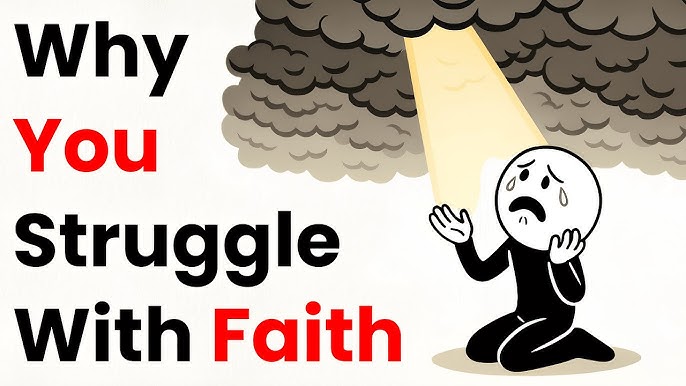
The passage from John 11 is used to explore the tension between belief and experience, tracing how faith behaves when needs go unmet and answers are delayed. The narrative of Lazarus becomes a mirror: sisters who call for Jesus, a Savior who delays, and a moment of dramatic reversals that exposes three recurrent postures of faith. First, faith is often activated by helplessness—when human resources are exhausted, people turn decisively to God. Second, spiritual growth frequently comes through perplexing delays; Jesus’ deliberate wait is portrayed as a pedagogical act designed to deepen trust and remove any rival explanation for the miracle. Third, faith that endures doubt becomes delivered faith when it rests not on circumstances but on the character and love of Christ.
Practical examples surface throughout: the sisters’ determined summons, Martha’s candid rebuke and subsequent confession (“but I know”), Mary’s different posture of grief, and the crowd’s eventual witness to the resurrection power. The preacher emphasizes that God’s intervention is motivated by love, not human merit, and that God sometimes allows a situation to reach a point of no return so that divine power—and not human ingenuity—receives the credit. The resurrection of Lazarus is held up as the ultimate demonstration that God has authority over time and death, and that the maturational purpose of delay is to increase faith for future, greater responsibilities. The call at the close presses listeners to respond: to move from passive worry to active trust, to accept help, and to let testing shape a more resilient, dependent faith capable of stewarding larger spiritual assignments.
Key Takeaways
- 1. Determined faith rises in desperation. When human solutions run out, faith often becomes resolute rather than theoretical. This determination is not mere optimism but a focused surrender: confessing inability and petitioning God with clarity. The moment of true calling is usually when pride and self-reliance have been exhausted, leaving space for divine action and dependence.
- 2. Faith is tested by delay. Delay should be read as spiritual formation, not divine absence. A postponement can expose idols of control, force reliance on God’s timing, and remove alternative explanations so that the miracle is unmistakably his. Endurance under delay refines trust and prepares the soul for greater assignments.
- 3. Deliverance rooted in God’s love. God’s interventions flow from his character—particularly love—rather than human merit or performance. Recognizing that God acts because he loves dislodges transactional expectations and cultivates grateful dependence. That awareness reorients prayer from bargaining to relationship.
- 4. Powerlessness awakens true dependence. The crucible of inability is where faith becomes practical and operative. When people cannot “fix” their circumstances, they are compelled to lean into God’s ability, which is the primary catalyst for sustained spiritual growth. This dependence shifts the posture from self-sufficiency to stewardship of God’s power.