“Is God In My Shout”

Praise rises from a heart awake to God’s present grace, not from performance or routine. Drawing from Isaiah 29:13–14, the call is to examine whether God is truly “in the shout.” Outward forms—songs, offerings, ministries—are good, but they are expressions, not the essence, of worship. True worship is to honor God with extravagant love and extreme submission; it is loving God enough to submit to His will and His way. That reframes worship from a Sunday event to a life priority. The question becomes: Where does God sit on the list of priorities? Does the heart have to be persuaded to gather with God’s people, or is there a settled yes to His presence?

Isaiah rebukes a worship that sounds right but rings hollow: lips near, hearts far. Such religion becomes routine—bow here, recite there—while the heart drifts. Words, however correct, do not impress God if the heart does not mean them. The measure is not the volume of the shout but the reality of internal worship. Genuine worship forgets who is watching because it remembers Who is worthy.

Three diagnoses emerge. First, the external illusion: learned rhetoric and familiar hymns can mask spiritual blindness; one can know all the right phrases and have no fruit. Second, the internal exclusion: motives can quietly go wrong—self-glorification when recognition is craved, transactional worship that barters for blessings, and man-made inventions that elevate tradition over truth. Like a leafy fig tree without fruit, appearances promise what the heart cannot supply. Third, the man-made manifesto: when fear of God is “taught by the precepts of men,” worship shifts from Scripture to human rulebooks. God rejects manufactured praise and coerced responses; He calls for Spirit-and-truth devotion shaped by His Word.

Isaiah also promises that God will do “a marvelous work” that undoes the wisdom of the self-assured and exposes empty religion. That marvelous work begins in the heart: repentance, reordered loves, and a return to the Book. When worship becomes love and submission—private before it is public, internal before external—then any shout that follows is simply the overflow of a life surrendered.


Key Takeaways
  • 1. Worship is love and submission. True worship is not performance but a heart that loves God enough to yield. Submission is not passive; it is an active yes to God’s will over personal preference. This reorients worship from a weekly event to a daily posture. A surrendered life is the soil where true praise grows.
  • 2. Beware the external illusion of praise. It is possible to honor with lips while the heart drifts, reciting truth without receiving it. Familiar words and melodies can inoculate the soul against conviction if never applied. God weighs the intent beneath the utterance, not the polish of the phrase. Let the mouth follow the heart, not disguise it.
  • 3. Check motives; guard your heart. Self-glory, bartering for blessings, and elevating traditions are subtle corruptions of worship. If offense arises when recognition is lacking, the audience has shifted from God to self. Worship in spirit and truth requires motive-level repentance, where love for God, not outcomes, holds the center. The heart’s desires steer the life; aim them at Him.
  • 4. Measure faith by internal worship. Shouting is not a reliable metric of spiritual maturity. The truest test is a Godward heart that can forget the crowd because it remembers His nearness. Internal worship steadies public praise and sanctifies private life. Live for the gaze of One.
  • 5. Return to the Word alone. When worship is coached by human precepts, reverence is manufactured and fragile. Scripture must govern the gathered church and the hidden life, not inherited customs or cultural scripts. God’s Word corrects, frees, and forms genuine devotion. Move from rulebooks to the Book.
Doke BlogLeave a commentLeave a comment

A Breakdown on your way to a Breakthrough

From Psalm 51, the call is clear: a genuine breakthrough with God begins with a real breakdown before God. David’s fall with Bathsheba and the prophet Nathan’s rebuke expose a truth many resist—God keeps the record, and grace begins where self-justification ends. The movement is not toward denial or performance, but toward mercy. “Have mercy upon me” is not church talk; it is the honest entry point for anyone who knows sin is not abstract but personal, and that only God can deal with guilt at its root. Confession is not self-hatred; it is the doorway into God’s steadfast love and abundant mercy.

The path forward unfolds in stages. First, come broken to approach God—no polish, no excuses, no religious cover. Then, come broken to appeal to God: “Purge me with hyssop.” The ancient image becomes a present grace—the branch and the blood. At the cross, Jesus hung on the “branch,” and His blood still cleanses more deeply than any human effort, blotting out what shame says will stain forever. From there, the heart becomes the battlefield. Not a replacement heart, but a clean heart—a prayer for divine “open-heart surgery” where blockages of sin, pride, bitterness, and unforgiveness are cleared so the life of Jesus can flow freely again. A right spirit is renewed, a firm spirit is restored, and the joy of salvation returns. Not salvation regained, but joy restored—because sin doesn’t unsave, but it can unjoy.

Finally, the aim of it all: what God really wants. Not sacrifices, not burnt offerings, not performance—but a broken spirit and a contrite heart. That posture births true worship and bold witness. Like bread in the Master’s hands, brokenness becomes the place of blessing, and the overflow is praise. Tongues testify. Lips open. “Watch me now” becomes the anthem of one who should have been cut off but has been carried by grace. Because He died—and early Sunday morning He rose with all power—grace and mercy meet each new day. And when the call to come is given, the only wise answer is to come—now—so that God may renew the spirit, restore the joy, and build a life better than before.


Key Takeaways
  • 1. Breakdown precedes every true breakthrough. God often interrupts forward motion to prevent total collapse. Honest exposure—like David under Nathan’s parable—becomes the turning point from pride to repentance. Breakdowns strip illusions so grace can do real work. The way up begins with coming down.
  • 2. Come broken to approach God. God is not moved by polish; He is moved by truth. “Have mercy upon me” is the language of those who know the penalty and still throw themselves on divine kindness. Confession names transgression, iniquity, and sin without excuse, trusting God’s character more than human defense.
  • 3. Cleansed by the branch and the blood. Hyssop points beyond ritual to the cross where cleansing was secured once for all. The blood of Jesus does not just lighten stains; it blots them out so the residue is gone. True cleansing is received, not achieved—and it makes the soul “whiter than snow.”
  • 4. Ask for a clean heart and steadfast spirit. The problem is not the mouth; it is the heart where desires are formed and loyalties are set. God’s “open-heart surgery” removes blockages that dull hearing and hinder obedience, renewing a right spirit. Salvation stands, but joy must be restored when sin has drained delight from devotion.
  • 5. God desires contrition over performance. No gift, title, or ritual can replace a broken and contrite heart. This posture leads to authentic worship and a credible testimony. In God’s hands, what is broken gets blessed—and what is blessed becomes bread for others.
Doke BlogLeave a commentLeave a comment

Just Okay is NOT Okay

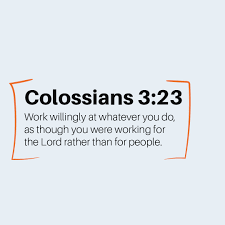
We gather today with gratitude, remembering that mercy kept us when nothing else could. As we step into a new year, I call us to more than average. Colossians 3:23–24 reminded us that whatever we do, we must do it “from the soul” as unto the Lord. That means “just okay” won’t do. AT&T may have coined the line, but heaven demanded it first: God is excellent, and He’s worthy of more than casual effort, more than convenient participation, and more than a half-hearted nod.

I press us in three places. First, service. Not the kind that turns on when somebody is watching, but the kind that keeps working in hidden places because Jesus is Lord whether there’s an audience or not. Real service is heart-deep and love-driven; duty without love becomes noise. Second, stewardship. Everything we manage—our body, time, energy, money—belongs to God. We don’t own it; we’re entrusted with it. That shifts how we eat, rest, spend, and prioritize. Faithful stewardship isn’t a spreadsheet skill; it’s a faith practice that trusts God with our limits and our increase. Third, our shout—our praise. I didn’t ask anybody to perform. I did ask us to refuse mediocre praise. If our teams can get exuberance, surely the One who redeems us, sustains us, and woke us up this morning deserves gratitude that’s honest, regular, and alive.

I challenge us to trade resolutions for rededication. Resolutions negotiate; sacrifice worships. Romans 12 calls our whole life an offering. When service, stewardship, and praise rise above “okay,” God often meets that surrendered posture with “more than okay” grace. We end with an invitation: salvation for those who’ve never trusted Jesus, a church home for those ready to grow and serve, and prayer for anyone who needs covering or a fresh start. If the Spirit tugs, obey Him. Today really is a good day to get it right with the Lord.


Key Takeaways
  • 1. Excellence is the Christian baseline. God’s character sets the standard for ours. “Just okay” subtly trains the heart to tolerate apathy, but excellence trains it to recognize and respond to the weight of God’s worth. Excellence isn’t perfectionism; it’s wholeheartedness—bringing your best light to the Lord you love. When we do, we become trustworthy conduits of His goodness in ordinary places.
  • 2. Serve from the soul, not optics. Integrity is serving the same way when no one is watching because the Lord always is. External compliance without internal devotion exhausts us and leaves us bitter; soul-deep service rooted in love becomes sustainable joy. Let your assignments be altars and your effort an offering. That is how work itself becomes worship.
  • 3. Steward everything like it’s borrowed. If it’s God’s, we don’t get to be careless with it. Bodies, calendars, relationships, and resources are trusts to be tended, not toys to be used. This mindset reframes choices—from meals to budgets to rest—as acts of worship that either honor or neglect the Owner. Faithful stewardship grows where faith displaces fear.
  • 4. Sacrifice beats resolutions every time. Resolutions often bargain for better outcomes; sacrifice yields for a better love. Presenting our bodies as living sacrifices rearranges our habits, not to earn favor, but to align with grace already given. When love leads, giving up lesser things makes room for greater things to grow. Rededication outlasts motivation.
  • 5. Praise that outgrows mediocrity. Authentic praise isn’t volume for show; it’s a steady, honest response to the God who carried us. Some days it looks like a shout; some days it’s a whisper—but it should never be indifferent. Refusing mediocre praise recalibrates the soul, reminding us who God is and who we are because of Him.
Doke BlogLeave a commentLeave a comment

This Christmas

I thanked God for bringing us together and for the men who led boldly in worship, because this season is about more than lights, lists, and long lines. We opened Luke 2:11–14 and remembered that the first Christmas announcement was not about what to buy but who had come: “a Savior, which is Christ the Lord.” I asked us to be honest about a world that’s hungry for hope, unity, and understanding—and how easily we’ve traded substance for stress. Many will have a happy Tuesday; others just want it over. But no matter what shows up under a tree, there are gifts available to everyone in Christ that never run out.

First, we have a Savior. All have sinned, all have fallen short, and we cannot argue our way out of being spiritually dead. But God, in grace, shocks the flatlined soul back to life and calls us alive with Christ. You don’t have to pretend you’re fine; you can confess your need and rejoice that salvation is a gift, not a wage.

Second, we have Christ the Lord. “Savior” means He redeems; “Lord” means He reigns. He didn’t arrive with chariots and fanfare, but with authority all the same—God in human flesh, the Anointed One. If He is Lord, He doesn’t just rescue; He directs, protects, and rules over the enemies within and without.

Third, we have peace. Not the thin peace of a quiet room, but the deep peace of a reconciled heart. Shalom and eirene are not mere calm—they’re wholeness and unity created by God’s nearness. Praise invites this peace; the more we acknowledge Him, the more He steadies us in chaos, anxiety, and uncertainty.

So this Christmas, unwrap what can’t be bought: salvation by grace, a Lord who leads, and a peace that keeps your heart and mind. Don’t offer a stale praise for fresh mercies. Lift your voice like those shepherds who heard good news for all people and ran to see for themselves. The same Jesus they met is present now—saving, reigning, and bringing peace.


Key Takeaways
  • 1. Unwrap the gift of a Savior. Salvation is not self-improvement; it is resurrection. We are not bad people who need a few tips—without Christ we are spiritually dead, unable to desire God, much less please Him. Grace doesn’t make us nicer; it makes us alive, and that aliveness produces real change. Receive what you cannot earn and rejoice in what He has already given.
  • 2. Bow to Christ the Lord. Jesus doesn’t merely rescue; He rightly rules. “Christ” names His anointing and mission; “Lord” names His deity and authority over every enemy and every decision. Surrender is not loss but alignment—letting the One who knows the road set the route. Freedom grows where His rule is welcomed.
  • 3. Fresh praise for fresh mercies. God’s kindness toward you is not recycled; it’s new by the minute. Stale gratitude numbs the soul, but present-tense praise awakens wonder and keeps your heart soft to God’s movement today. Don’t treat daily grace as ordinary; answer it with living, specific worship.
  • 4. Let God reroute your steps. When you drift, He doesn’t demand you rewind your whole journey; He meets you where you are and redirects. Like a faithful guide, He recalculates from your current location, not your ideal one. Trust His Word to order your steps, and let humility replace stubborn self-navigation.
  • 5. Peace that reorders the heart. Biblical peace is more than quiet circumstances; it’s the wholeness that flows from reconciliation with God. This peace steadies grief, curbs envy, and outlasts the news cycle because it rests on Jesus’ finished work. Pursue the Person of peace, and the peace of God will guard you.
Doke BlogLeave a commentLeave a comment

What True Love Feels Like

We lift our hearts in praise and asked God to speak, then we turn to John 13:34–35 where Jesus gives a new command: love one another as I have loved you. I unpack what makes that command “new.” It isn’t new in time—God has always called His people to love—but new in scope, measure, and power. In the Old Testament, “neighbor” could be kept comfortably narrow. Jesus widened it to “one another,” which now includes enemy, stranger, and the difficult person in front of you. The measure also changes: not “as yourself,” but “as I have loved you,” with the 1 Corinthians 13 kind of love—patient, kind, not keeping score, enduring when it costs. And the power changes too. We don’t love like this by willpower; we love by the Holy Spirit living and working in us.

I stress the mirror: love as I have loved you. Not past tense—Jesus is loving us right now. Many of us struggle to love horizontally because we’ve not truly received how deeply we are loved vertically. So I call us to search our “faith file”: when we mess up – God still wakes us; when we steal time God still shows up. God’s nature and God’s gifts define love—John 3:16 and Romans 5:8 show a love that goes first, gives first, dies first, before we even respond.

Then the mark: by this all people will know we are His disciples—by our love for one another. Not by shirts, posts, or decals. If we truly love God, we must love His children; vertical love always presses outward into horizontal love. The cross is our picture of true love: a loving Savior bearing our sin, embracing the undeserving, breaking the cycle of payback with mercy. So I call us to practice this love in hard places—toward those who misunderstand, oppose, or mistreat us—trusting the Spirit to empower what our flesh resists. I end with a simple resolve: if I want to hear “Well done,” then I will love well—because He first loved me.


Key Takeaways
  • 1. True love extends beyond chosen neighbors. Jesus removes the loopholes. “Neighbor” is no longer a circle we draw around people we prefer; it’s whoever God brings across our path—even the hard-to-love. This stretches us out of comfort into Christlikeness. Love becomes a decision to embrace the person in front of you with Christ’s posture.
  • 2. Love requires Spirit-empowered obedience. This command is not humanly manageable; it’s Spirit-enabled. The Holy Spirit reshapes reactions, softens memory’s scorekeeping, and puts Jesus’ patience into our responses. Our part is surrender—inviting His strength where our strength fails.
  • 3. Remember how Jesus loves you. We love from being loved. Sit in the present tense of His love—He is loving you now, not once upon a time. Let His mercy toward your failures become the pattern you extend to others, especially when storms try to narrow your vision.
  • 4. Love marks authentic Christian discipleship. The recognizable badge of following Jesus is not branding but a cruciform love. If we claim vertical love for God, it must show horizontally, especially toward difficult people. Credibility before a watching world grows where sacrificial love is practiced.
  • 5. Love practices costly, patient measures. 1 Corinthians 13 names the shape of love: patient, kind, not proud, not keeping score, enduring under pressure. This isn’t sentiment; it’s sustained, resilient action. When we refuse to rehearse wrongs and choose the good, love becomes a durable witness.
Doke BlogLeave a commentLeave a comment

How to Work Through Discouragement, Distractions, and Debris

The story of Nehemiah and the rebuilding of Jerusalem’s wall is a powerful reminder of what it means to persevere in the work God has given us, even when the initial excitement fades and the challenges mount. The people began their work with joy and anticipation, but soon found themselves facing discouragement, distractions, and the debris of the past. These obstacles are not unique to Nehemiah’s time; they are the same challenges we face today as we seek to serve God faithfully.

Discouragement often comes when the enemy attacks our identity and our efforts. Just as Sanballat and Tobiah mocked the Jews, calling them feeble and predicting their failure, we too can be tempted to believe the voices that tell us we are not enough or that our work is in vain. The key is to remember that our strength does not come from ourselves, but from God. When we rely on His power rather than our own, we find the strength to keep going, even when we feel like giving up.

Distractions are another tactic of the enemy. As the gaps in the wall began to close, the opposition intensified, not because the work was failing, but because it was succeeding. The enemy will always try to create confusion and fear, especially when we are making progress. Sometimes, the mere threat of attack is enough to make us stop working and start complaining. But God calls us to recognize the true source of confusion and to respond with prayer and trust, not panic.

Then there is the debris—the old rubbish that must be cleared away before something new can be built. In our lives, this means dealing with past hurts, unforgiveness, and anything that takes up space in our hearts and keeps us from moving forward. Clearing out the old is hard work, but it is necessary if we want to build something lasting for God’s glory.

Through it all, Nehemiah’s example teaches us to pray first, to trust God’s strength, and to keep working with a mind and heart set on God’s faithfulness. Even when surrounded by enemies, even when tired and discouraged, we are called to keep building, knowing that the battle belongs to the Lord and that He is able to bring us through.


Key Takeaways
  • 1. Rely on God’s Power, Not Your Own. It is easy to start strong in our own strength, but true endurance comes from depending on God’s power. When we shift from self-reliance to God-reliance, we find the strength to persevere through discouragement and fatigue. God’s power is made perfect in our weakness, and it is only by His Spirit that we can accomplish lasting work.
  • 2. Recognize and Resist the Enemy’s Distractions. The enemy often attacks when we are making progress, using confusion and fear to halt our work. We must be vigilant, discerning the true source of opposition, and refuse to let threats or distractions derail us. Prayer and spiritual focus are our best defenses, keeping us anchored in God’s purpose rather than the enemy’s schemes.
  • 3. Clear Out the Old to Make Room for the New. Just as the builders had to remove the old rubble before constructing the new wall, we must deal with the debris in our own lives. This means letting go of past hurts, unforgiveness, and anything that hinders our spiritual growth. Only by clearing out the old can we make space for the new work God wants to do in and through us.
  • 4. Persevere Through Weariness and Opposition. The enemy often intensifies his attacks when we are tired or discouraged, hoping we will give up. But God calls us to keep going, even when we feel surrounded or overwhelmed. Our perseverance is not a sign of our own strength, but of our trust in God’s faithfulness to see us through every trial.
Doke BlogLeave a commentLeave a comment

The Importance of the Invitation

The invitation to respond to God is the most significant moment in our gathering. It is not just a ritual or a time to transition out of service, but the very heart of our encounter with God. In Acts 2, after Peter preached with boldness and clarity about Jesus—His life, death, and resurrection—the people were deeply moved and asked, “What shall we do?” This question is the natural response when the Word of God truly penetrates our hearts. It is not enough to simply hear the Word; we must allow it to challenge, convict, and transform us.

True hearing is more than listening to words; it is letting the message take root in our hearts, prompting us to action. Too often, we want the Word to affirm us or make us feel good, but the Word is also meant to correct, rebuke, and train us in righteousness. We must not shy away from conviction, for it is the Holy Spirit working through the Word to draw us closer to God. Conviction is not condemnation—it is an invitation to repentance and restoration.

Repentance is not a one-time event but a continual turning away from sin and turning back to God. It is not merely feeling sorry for being caught, but an intentional desire to walk in the newness of life that God offers. Baptism, then, is the outward expression of this inward transformation—a public declaration that we have died to our old selves and risen anew in Christ. While baptism does not save us, it is a powerful testimony of the work God has done in our hearts.

Receiving the Holy Spirit is the seal of our salvation, the assurance that we belong to God. The Spirit is not just an emotional experience but the abiding presence of God in our lives, guiding, comforting, and empowering us daily. When we respond to God’s invitation—whether for the first time or as a recommitment—we receive the gift of the Spirit, who marks us as God’s own and enables us to live out our faith.

God’s invitation is always open. No matter our past, our failures, or our burdens, He stands with open arms, ready to welcome us home. The invitation is not just for the lost, but for all who hear the Word and are moved to respond. Let us not take this moment lightly, but come to Him with all that we are, trusting that He will receive us, restore us, and fill us with His Spirit.


Key Takeaways
  • 1. The Invitation Demands a Response. When the Word of God is truly heard, it stirs something deep within us that calls for a response. Whether it is a first-time commitment or a renewed surrender, the invitation is not a passive moment but a divine opportunity to step into a deeper relationship with God. Ignoring this moment is to miss the very purpose of our gathering: to encounter and respond to the living God.
  • 2. Conviction is a Gift, Not a Curse. Conviction by the Holy Spirit is not meant to shame or condemn us, but to lovingly draw us back to God. It exposes our need for grace and invites us to repentance, which is the pathway to healing and transformation. Rather than resisting conviction, we should welcome it as evidence of God’s active work in our lives.
  • 3. Repentance is a Continual Journey. Repentance is not a one-time act reserved for the moment of salvation, but a daily turning away from sin and returning to God. It is an honest acknowledgment of our ongoing need for grace and a willingness to be changed. True repentance is marked by a desire to walk in God’s ways, not just regret over our failures.
  • 4. Baptism is an Outward Sign of an Inward Change. Baptism does not complete our salvation, but it is a public declaration of the transformation that has already taken place within us. It symbolizes dying to our old selves and rising to new life in Christ, serving as a testimony to the world of God’s saving power. Even Jesus, though sinless, was baptized to identify with us and set an example of obedience.
  • 5. The Holy Spirit is the Seal and Sustainer of Our Faith. Receiving the Holy Spirit is the mark of true salvation, assuring us that we belong to God. The Spirit is not just an emotional experience but the abiding presence of God, guiding, comforting, and empowering us to live out our faith. With the Spirit, we are never alone—He walks with us, protects us, and guarantees our inheritance in Christ.
Doke BlogLeave a commentLeave a comment

How Church Can Wear You Out

When we gather together, it is not enough to simply go through the motions of worship or to check off boxes of religious activity. God is not impressed by our rituals, our offerings, or our attendance if our hearts are not truly surrendered to Him. The prophet Isaiah reminds us that God despises empty ceremonies and religious gatherings when they are not matched by lives of integrity, compassion, and repentance. It is possible to be worn out by church—not because of God, but because we have lost sight of what true worship is meant to be.

True worship is not about outward appearances or religious routines. It is about a genuine connection with God, a desire for transformation, and a willingness to let Him change us from the inside out. When we focus on religion without relationship, we become exhausted, frustrated, and spiritually dry. We may find ourselves complaining about church, feeling disconnected, or even resentful, but the real issue is often a lack of integrity in our walk with God. If our lives outside of church do not reflect the love and holiness of Christ, our worship becomes empty and even offensive to God.

Compassion is another essential mark of a living church. God calls us not just to gather, but to care for the oppressed, the fatherless, and the widow. When we are more concerned with our own comfort, traditions, or preferences than with the needs of those around us, we miss the heart of God. The church is meant to be a place where people encounter the love and justice of Christ, not just a place for religious activity. If we neglect compassion, our prayers become hindered, and our worship loses its power.

Finally, we must not neglect the call to cleansing and repentance. God does not expect us to be perfect, but He does call us to turn away from sin and to seek His forgiveness. Rituals and good works cannot cleanse us—only the blood of Jesus can make us white as snow. There is hope for every one of us, no matter how stained our past may be. When we come to God with a repentant heart, He grants us complete forgiveness and a new beginning.

Let us not settle for playing church. Let us pursue integrity, compassion, and repentance, trusting in the transforming power of Christ. When we do, we will find rest for our souls and experience the true joy of worship.


Key Takeaways
  • 1. Integrity is essential for true worship. God is not fooled by outward displays of religion if our hearts are not right. Integrity means our lives match our confession, and our actions reflect the holiness of Christ. Without integrity, our worship becomes empty, and we become spiritually exhausted. True rest and renewal come when we live authentically before God and others.
  • 2. Compassion is the heart of the church. God calls us to care for the oppressed, the fatherless, and the widow. When we focus only on religious activity and neglect the needs of others, we miss the very purpose of our gathering. Compassion is not optional; it is the evidence of God’s love at work in us. A church without compassion will find its prayers hindered and its witness weakened.
  • 3. Repentance brings cleansing and renewal. Rituals and good intentions cannot remove the stain of sin—only repentance and the blood of Jesus can. God invites us to turn away from sin and to prepare our hearts for His transforming work. When we come honestly before Him, He grants us complete forgiveness, making us white as snow and giving us a fresh start.
  • 4. Relationship with God over religious routine. It is easy to invest energy in church activities while neglecting a real relationship with God. God desires connection, not just compliance. When we prioritize relationship, our worship becomes meaningful, and our lives are changed. Without this, even the best rituals will leave us empty and worn out.
Doke BlogLeave a commentLeave a comment

The Reliability of God’s Ability

Life is full of uncertainties, fears, and moments when we are forced to confront our own limitations. Yet, in the midst of all this, there is a source of unwavering reliability—God’s ability. When everything else in life can fail us—whether it’s our possessions, our health, or even the people we trust—God remains constant, unchanging, and fully able to do what He promises. The world may be in turmoil, and people may scramble to find security in things that are temporary, but true security is found in the One who created all things and holds all power and authority.

David, a man after God’s own heart, knew what it was to be afraid. He faced real threats, not just from circumstances, but from people who sought his life. Yet, in his fear, David chose to trust in God. He didn’t deny his fear or pretend it didn’t exist; instead, he brought it honestly before God and shifted his focus from his problems to his Redeemer. Trusting God doesn’t mean we won’t feel fear, but it means we refuse to let fear have the final word. Our faith is not in our own strength or in the things of this world, but in the God who has proven Himself faithful time and again.

Trust is more than a feeling; it’s an action. It’s putting our full weight on God’s promises, even when the evidence seems contrary. It’s remembering that God knows every tear we’ve cried, every burden we’ve carried, and He will not put more on us than we can bear with His help. Like a spotter in the weight room, God stands ready to lift the load when it becomes too much for us. He is mindful of our struggles and merciful in our weakness.

Praise is not reserved for the moments when everything is going well. True praise is born out of trust—it’s the declaration that God is worthy, not just for what He has done, but for who He is and what His word promises. Even before deliverance comes, we can celebrate, knowing that God is for us and that He is able. In uncertain times, the invitation remains: to trust in God, to lean on His word, and to walk with Him, knowing we are never alone.


Key Takeaways
  • 1. God’s Reliability Surpasses All Else We often place our trust in things that seem reliable—cars, appliances, even our own resources—but these can and do fail. God, however, never deteriorates in quality or performance. His character and ability are unchanging, making Him the only truly reliable foundation for our trust.
  • 2. Fear Is Inevitable, But Trust Is a Choice Everyone faces fear, no matter how strong or experienced they are. The difference lies in what we do with that fear: do we let it control us, or do we bring it to God and choose to trust Him? David’s example shows that fear can be transformed by faith when we focus on God’s strength rather than our own limitations.
  • 3. God Knows and Cares for Every Burden God is intimately aware of every struggle, every tear, and every weight we carry. He does not allow us to be overwhelmed beyond what we can bear with His help. Like a spotter, He is present to lift us when the load is too heavy, reminding us that we are never alone in our trials.
  • 4. Praise Is an Act of Prophetic Trust David praised God not just for past victories, but for the deliverance he believed God would bring. True praise is rooted in trust—it celebrates God’s word and character even before the outcome is seen. This kind of praise shifts our focus from our circumstances to the One who controls them.
  • 5. The Invitation to Trust Is for All Seasons God’s invitation is not a promise of a trouble-free life, but a promise of His presence and faithfulness through every season. Whether facing uncertainty, seeking a spiritual home, or needing prayer, the call is to trust in God, respond to His Spirit, and know that He is able to fulfill every promise.
Doke BlogLeave a commentLeave a comment

Yet I Will Rejoice: Finding Joy in Life’s Trials

Today is a day to rejoice and be glad, for God has given us another opportunity to gather in worship, to lift up His holy and righteous name, and to remember His faithfulness. We are reminded from 1 Corinthians 11 of the importance of remembering Christ’s sacrifice, examining ourselves, and approaching the Lord’s table with reverence and gratitude. Through prayer, we acknowledge that every blessing—life, health, strength, and the privilege to worship—comes from God’s loving hand, even when we do not deserve it. We intercede for those who are struggling, trusting that God is able to do exceedingly and abundantly above all we ask or think.

The heart of our reflection comes from Habakkuk 3:17-19, where the prophet, facing utter devastation and loss, declares, “Yet I will rejoice in the Lord, I will joy in the God of my salvation.” Habakkuk’s circumstances were bleak: no crops, no livestock, no visible hope. Yet, his faith was not anchored in what he possessed, but in who God is. He teaches us that authentic praise often arises not from abundance, but from adversity. When everything else fails, God remains our strength, our salvation, and our reason to rejoice.

Habakkuk’s journey moves from pain to praise. He reveres God’s glory, reviews God’s past faithfulness, rests in God’s timing, rejoices despite disappointment, and relies on God’s sovereignty. This is not a denial of pain, but a declaration that God is greater than any loss or trial. Our praise is not contingent on temporary blessings, but on the eternal assurance of salvation and God’s unchanging nature. Even when trouble is on the horizon, we can shelter in God’s faithfulness, knowing He will give us “hinds’ feet” to walk upon high places—dancing on our problems, rising above our circumstances.

As we partake in the Lord’s Supper, we remember Christ’s body broken and His blood shed for us, the ultimate provision that secures our hope and joy. No matter what we face, we have reason to rejoice, for God is our strength, our salvation, and our ever-present help. Let us leave with the assurance that, come what may, we can say, “Yet I will rejoice in the Lord.”


Key Takeaways
  • 1. Praise in the Midst of Pain True worship is often born out of adversity, not abundance. Habakkuk’s declaration to rejoice even when everything was lost challenges us to praise God not because of our circumstances, but in spite of them. This kind of praise is costly, honest, and deeply transformative, reminding us that God is worthy even when life is hard.
  • 2. Faith Anchored in God, Not in Blessings Habakkuk’s joy was not tied to the fruit on the vine or the cattle in the stalls, but to the unchanging character of God. When all visible sources of security are stripped away, faith that is anchored in God alone will endure. This teaches us to shift our trust from what God gives to who God is.
  • 3. Moving from Pain to Praise: The Five R’s The journey from despair to joy involves revering God’s glory, reviewing His past faithfulness, resting in His timing, rejoicing despite disappointment, and relying on His sovereignty. Each step is a spiritual discipline that helps us process suffering and find hope, rather than being paralyzed by our problems.
  • 4. The Assurance of Salvation is Enough for Joy Even if every earthly blessing is lost, the assurance of salvation is reason enough to rejoice. Our eternal hope in Christ outweighs any temporary loss or hardship. This perspective shifts our praise from being circumstantial to being rooted in the unshakeable promise of God’s redemption.
  • 5. God Empowers Us to Rise Above Our Circumstances Like the deer on high places, God gives us the strength and sure-footedness to navigate life’s rocky terrain. He doesn’t always remove the obstacles, but He enables us to dance on them, using our trials as platforms for His glory. Suffering, when surrendered to God, becomes the very means by which we are lifted higher.
Doke BlogLeave a commentLeave a comment