Faith in the Storm: Embracing God’s Presence

Isaiah’s prophecy reminds us that Emmanuel—God with us—is not just a name, but a living reality. In every season, especially in times of uncertainty and hardship, God’s presence is our anchor. We gather to worship, not out of routine, but because we serve a living Lord who is worthy of adoration. Our worship is a response to the goodness and faithfulness of God, who has brought us through dangers seen and unseen. Even as we face new challenges—whether personal, communal, or global—we are reminded that God’s grace and mercy cover us daily, and the blood of Jesus still has power to save, heal, and deliver.

Turning to Matthew 14, we see the disciples caught in a storm, their boat tossed by waves, their strength and resources exhausted. Jesus, after a time of solitude and prayer, comes to them walking on the water. The disciples are terrified, but Jesus reassures them: “Be of good cheer; it is I; be not afraid.” Peter, ever bold, steps out in faith at Jesus’ invitation and walks on water. Yet, when he notices the wind and the waves, fear overtakes him and he begins to sink. In that moment, Peter cries out, “Lord, save me!” and Jesus immediately reaches out to rescue him.

This narrative reveals that storms—those perfect storms of life—are not always punishments, but can be opportunities for correction and perfection. Sometimes, God allows storms to move us from complacency, to mature us, and to teach us to trust not in our own abilities, but in His power. The “fourth watch of the night”—that darkest, most desperate hour—often becomes the moment when we stop striving in our own strength and surrender fully to God. It is in these moments that Christ’s presence becomes most real, and His power most evident.

Faith is not the absence of storms, but the willingness to step out of the boat, even when the storm is raging. Jesus does not always calm the storm before calling us; sometimes, He calls us to walk with Him through it. When we focus on the storm, we sink; when we focus on the Savior, we do the impossible. Even when our faith falters, God’s hand is quick to save. And when deliverance comes, it is not just for the one who stepped out in faith, but for all who are in the boat. Our response, then, is worship—praising the One who brings us through every storm.

Key Takeaways

  1. Storms Reveal Our Limitations and God’s Sufficiency
    The perfect storm exposes the limits of our own strength and resources, pushing us to the end of ourselves. It is often in the “fourth watch of the night,” when all human effort is exhausted, that we finally become quiet enough to hear God’s voice and recognize our need for Him. These moments are not meant to destroy us, but to teach us to trust in the power and sufficiency of Christ alone.
  2. Faith Requires Stepping Out Before the Storm Ceases
    Jesus did not calm the storm before inviting Peter to come; He called Peter to step out in faith while the winds still raged. True faith is not waiting for perfect conditions, but obeying God’s call in the midst of uncertainty. When we dare to trust God in turbulent times, we discover new dimensions of His power and our own potential in Him.
  3. Distraction from God’s Work Leads to Doubt and Sinking
    Peter began to sink not simply because he took his eyes off Jesus, but because he became more aware of the storm than the Savior. Our focus determines our faith; when we fixate on what is against us, we lose sight of what God is doing for us. The challenge is to remain attentive to God’s presence and promises, even when circumstances are overwhelming.
  4. Crying Out in Desperation Invites Divine Intervention
    When Peter was sinking, his simple, desperate cry—“Lord, save me!”—was enough to move Jesus to immediate action. God is not waiting for eloquent prayers, but for honest surrender. In our moments of greatest need, a humble plea for help opens the way for God’s rescuing hand and reminds us that His grace is sufficient for every weakness.
  5. Personal Faith Can Lead to Communal Blessing
    Although only Peter stepped out of the boat, when Jesus and Peter returned, the storm ceased for everyone. Sometimes, the faith of one can bring deliverance to many. Our willingness to trust God in the storm not only transforms us, but can inspire and bless those around us, leading the whole community to worship and acknowledge God’s power.
Doke BlogLeave a commentLeave a comment

Longing for God’s Presence: The Blessing of Community

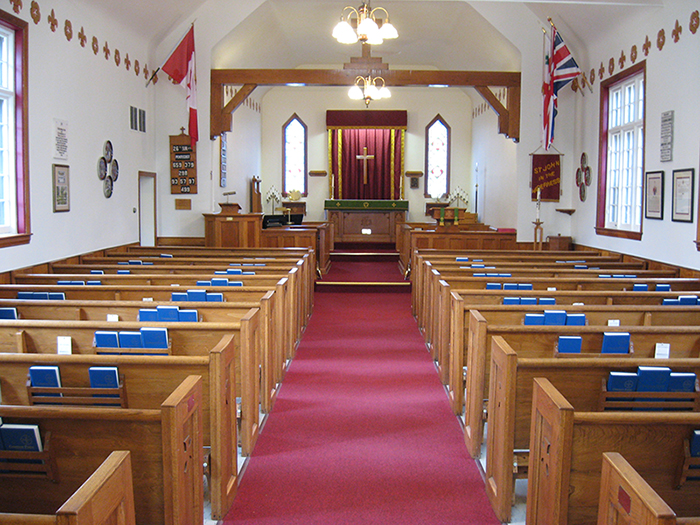
Psalm 84 reminds us of the deep longing and joy that comes from being in the presence of God, especially within the gathered community of believers. In a world that increasingly treats Sunday as just another day and church as optional, it’s easy to lose sight of the blessing and necessity of coming together in God’s house. The psalmist’s words express a yearning not just for a building, but for the unique experience of God’s presence, protection, and provision that is found when we gather as His people. This is not about obligation or routine, but about relationship—a desire to be where God is, to worship Him, and to be strengthened for the week ahead.

The imagery of the sparrow and the swallow nesting near the altar is a powerful reminder that even those considered insignificant or restless can find a home, safety, and belonging in God’s house. If God provides for the birds, how much more will He care for us when we draw near to Him? The church is meant to be a place where we are nurtured, protected, and encouraged, no matter our background or status. It is a place where praise is not optional, but a natural response to God’s goodness and faithfulness.

The psalmist declares that even a single day in God’s courts is better than a thousand elsewhere. This challenges us to value our time in God’s presence above all else, even if it means serving in the most humble of roles. True fulfillment is not found in titles, positions, or worldly success, but in simply being in the house—serving, worshiping, and living in relationship with God and His people. The decision to be in the house is a declaration that we would rather have God’s presence than anything the world can offer.

Ultimately, God’s house is not perfect because of the people in it, but it is the right place because of the perfect God who meets us there. He invites us into fellowship, covers us with His protection, and fills us with His Spirit. When life’s storms rage, when the enemy attacks, or when the road gets tough, there is no better place to be than in the house of the Lord. And one day, when this life is over, those who have chosen to dwell in His house will be welcomed into His eternal presence.


Key Takeaways
  • 1. A Deep Desire for God’s Presence: The psalmist’s longing to be in the house of the Lord is not about fulfilling a religious duty, but about a soul-level hunger for God’s presence. When we miss worship, we sense a lack because our spirits are designed to be in communion with God and His people. This desire should drive us to prioritize gathering together, not out of habit, but out of relationship and need for God’s touch.
  • 2. The House as a Place of Provision and Protection: Just as the sparrow and swallow find safety and a home near the altar, we too find God’s provision and protection when we dwell in His house. The church is not just a building, but a spiritual refuge where God meets our needs, shields us from harm, and nurtures us in His love. Even when the world is chaotic, there is safety in the arms of Jesus.
  • 3. Worship Is a Transforming Experience, Not an Obligation: True worship is not about checking a box or impressing others, but about encountering God in a way that brings joy, healing, and transformation. Praise is not optional; it is the natural overflow of a grateful heart. When we gather, we are reminded of God’s faithfulness and are moved to respond with authentic praise, regardless of our circumstances.
  • 4. Humility in Service Over Worldly Status: The psalmist would rather be a doorkeeper in God’s house than dwell in luxury apart from Him. This teaches us that the value of our service is not in titles or recognition, but in being close to God and serving His people, even in the most humble roles. Fulfillment comes from being where God is, not from worldly success or comfort.
  • 5. The Eternal Significance of Being in the House: Choosing to dwell in God’s house is not just about this life, but about preparing for eternity. The church is where we practice the worship and fellowship that will continue forever in God’s presence. When we make the decision to stay in the house, we align ourselves with God’s eternal plan and ensure that, when He returns, we are found in the right place—covered, protected, and ready to meet Him.
Doke BlogLeave a commentLeave a comment

Day 4: God’s Presence in Our Doubt and Need

Day 4: God’s Presence in Our Doubt and Need
In moments of trial, we may find ourselves asking, “Is the Lord among us or not?” Yet God’s presence is not determined by our feelings or circumstances—He is always with us, even when His provision comes in unexpected ways or timing. The Israelites questioned God’s care, but He remained faithful, providing water from the rock and showing patience with their doubts. God’s love and presence are steadfast, and He invites us to trust Him even when we cannot see the way forward. When we thirst for hope, comfort, or direction, we can go to the Rock—Jesus Christ—who is always near and able to meet our deepest needs.

Psalm 18:2 (KJV)
The Lord is my rock, and my fortress, and my deliverer; my God, my strength, in whom I will trust; my buckler, and the horn of my salvation, and my high tower.

Reflection: When have you doubted God’s presence in your life? How can you remind yourself today that He is with you, even in the midst of uncertainty?

DevotionalsLeave a commentLeave a comment