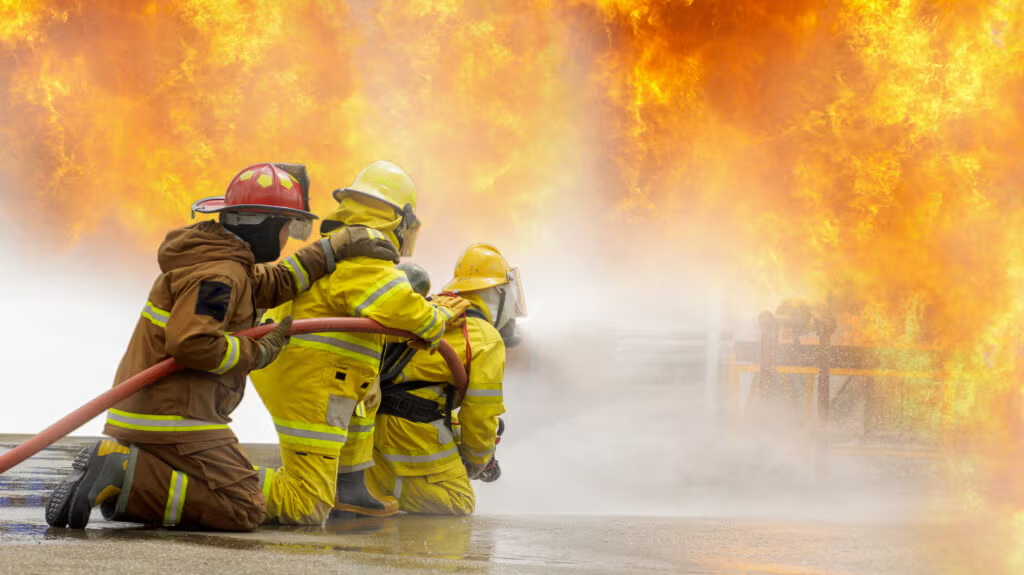
The text centers on the command “quench not the Spirit” (1 Thessalonians 5:19) and develops the biblical image of fire as the chief metaphor for the Holy Spirit’s presence and work among God’s people. Scripture scenes—from the burning bush, pillar of fire, and Elijah’s altar to Pentecost and Hebrews’ “consuming fire”—show fire as presence, protection, cleansing, judgment, empowerment, and communal activity. The imagery leads to a practical warning: faith communities risk becoming “firefighters” by allowing that flame to die out through neglect, wrong choices, or hostile small ways of living together.
The argument traces two dangers. First, individuals quench their own spiritual fire when they choose disobedience, harbor sin, seek human approval above God’s, or refuse God’s call. Such choices cool worship, blunt joy, and weaken prayer. Second, believers quench other people’s fervor by criticizing sincere devotion, nursing bitterness, or dismissing others’ offerings for the kingdom. Those behaviors smother ministry and scatter warmth where encouragement could multiply zeal.
The text offers concrete remedies. Paul’s pastoral commands—rejoice always, pray without ceasing, give thanks in everything—function as spiritual fuel that keeps the flame alive. The congregation must tend the altar of the heart, stir up gifts, and add fuel when flames falter. Communal practices like prayer, gratitude, and mutual forgiveness protect corporate worship from becoming a place of cold ritual. Where zeal faces opposition, Scripture witnesses (Jonah, the three Hebrew youths, Elijah) show the cost and the victory of saying yes to God’s refining fire.
Finally, the teaching insists on intentional care: the Spirit’s fire will not vanish through God’s power, but people can quench the Spirit by their choices. Therefore believers must refuse to pour water on devotion, avoid piling earth over enthusiasm, and choose actions that nourish, not extinguish, the divine flame. The result of consistent tending will be a church marked by warmth, holiness, clear witness, and sustained spiritual power.
Key Takeaways
- 1. Do not quench the Spirit. Paul’s single-word command presumes an active flame already present in believers and calls for vigilance. The command warns that believers can extinguish a Spirit-given warmth by neglect or wrong choices, not by overpowering God. The text insists on responsibility: each person must protect the flame entrusted to them.
- 2. Tend and kindle spiritual fire. The Spirit’s work needs intentional care: stir up gifts, add fuel, and rekindle zeal when it wanes. Spiritual disciplines—regular prayer, gratefulness, and joyful worship—serve as the fuel that sustains warmth and clarity of heart. Neglect removes fuel; intentional devotion restores movement and power.
- 3. Guard against quenching behaviors. Doubt, indifference, disobedience, and craving human praise all cool spiritual passion and distort worship. Those attitudes displace God’s priorities and dull conscience, making praise shallow and ministry ineffective. Honest self-examination and repentance remove the smothering influences that dim the flame.
- 4. Fuel others’ devotion, not criticize. Criticism, bitterness, and belittling others’ service extinguish budding zeal and fracture fellowship. Encouragement and release allow varied callings to flourish without comparison or control. Choosing to build up preserves communal warmth and multiplies faithful witness.
Doke Blog